2026-08-23 ·
How to Reduce Mosquitoes Around Your Property
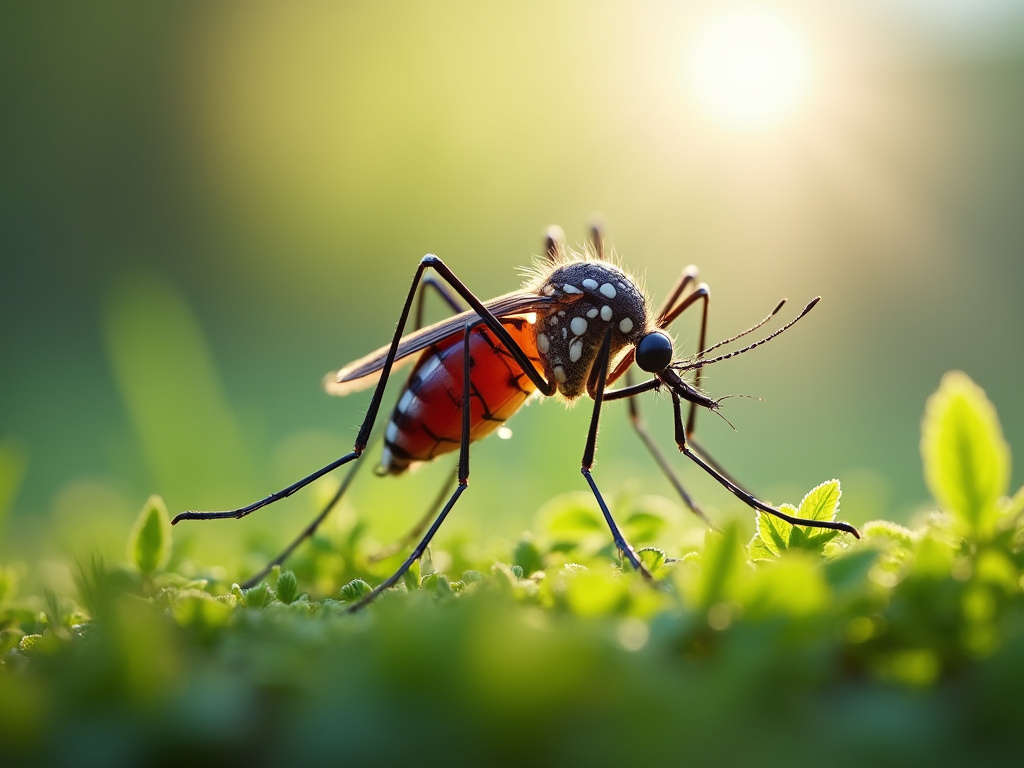
Start by removing all standing water within 48 hours after rain to cut mosquito breeding by up to 80 percent on most Jefferson County lots. Birmingham's humid subtropical climate with hot summers and mild winters keeps water sources active from April through October, especially in older homes across Southside, Five Points South, and Avondale where gutters and low spots collect moisture quickly.
Remove Standing Water Sources
Birmingham properties often sit on clay-heavy soil that holds water after storms, creating ideal breeding spots in neighborhoods like Highland Park, Forest Park, and Crestwood. Check and empty birdbaths, flowerpot saucers, and kiddie pools every two to three days during peak summer heat. Clean clogged gutters on homes built before 1970, which are common in Ensley and North Birmingham, because even a half-inch of trapped water can support hundreds of larvae. Drill drainage holes in tire swings or recycle unused containers stored outdoors near Woodlawn and East Lake. Around older foundations in Titusville and Pratt City, grade soil away from the house so water flows toward the street instead of pooling under porches. These steps directly interrupt the 7-to-10-day life cycle of local species that thrive near Railroad Park and the Birmingham Zoo green spaces.
Maintain Yards and Landscaping
Regular yard care reduces adult mosquito resting spots in the dense vegetation typical of Birmingham lots. Mow grass to 3 inches or less every week and trim shrubs away from windows in areas like Crestwood and Avondale where shade from mature trees keeps humidity high. Remove leaf litter and pine straw piles near Oak Hill Memorial Cemetery borders, as these hold moisture and shelter mosquitoes during mild winter days. Install 18-inch-wide gravel strips along fence lines in Forest Park to improve airflow and prevent damp soil. In Five Points South and Highland Park, replace low-lying ground cover with taller native plants that allow better drainage. These maintenance habits limit the 1-to-2-mile flight range mosquitoes use to reach homes from nearby parks and cemeteries.
Time Outdoor Activities and Add Barriers
Peak biting hours in Birmingham run from dusk to dawn during July and August when temperatures stay above 80 degrees. Schedule yard work for mid-morning or early afternoon to avoid the worst activity. Install 1/4-inch mesh screens on windows and doors, and repair gaps larger than a dime on older homes in Ensley and North Birmingham. Use fans on porches in Southside and Titusville because moving air disrupts mosquito flight patterns. Plant citronella or lemongrass in containers near seating areas around Railroad Park homes, refreshing the plants every 6 weeks during the growing season. These barriers work alongside the removal of standing water to keep numbers low without relying solely on chemical sprays.
Know When Professional Help Makes Sense
When breeding sites persist near sloped terrain or shared drainage in neighborhoods like East Lake and Woodlawn, targeted treatments become necessary. Mosquito control programs focus on larvicides applied to persistent water that cannot be drained. Homeowners in Hoover, Homewood, and Mountain Brook often combine these services with routine yard checks during the hottest months. Review the When Is Pest Season in Alabama? guide to align efforts with local humidity spikes. Consistent property maintenance plus these targeted steps delivers measurable drops in bites within two weeks for most Birmingham addresses.