2026-08-23 ·
What Attracts Ants Inside Alabama Homes?
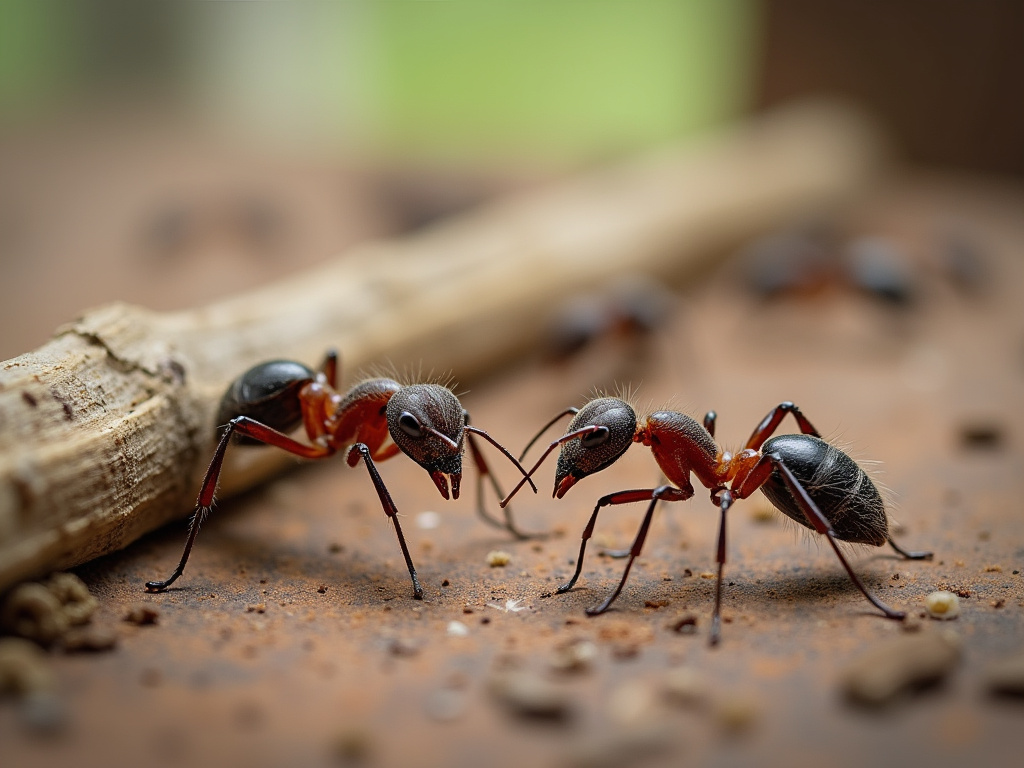
Ants move into Alabama homes primarily because of available food residues, standing moisture, and small entry gaps that offer shelter from the humid subtropical climate with its hot summers and mild winters.
Food Residues That Pull Ants Indoors
Kitchens and pantries in Birmingham homes often provide the first draw. Crumbs from meals, sugary spills, and unsealed pantry items create trails that worker ants follow back to colonies. In neighborhoods such as Southside and Five Points South, where many homes date to the early 1900s, narrow galley kitchens leave little margin for missed particles on counters or floors. Even pet food left out overnight supplies steady calories. Homeowners in Highland Park and Forest Park report higher activity near recycling bins that hold rinsed but sticky soda cans. Reducing these sources means wiping surfaces after every meal, storing dry goods in sealed containers, and sweeping under appliances weekly. These steps cut the chemical signals ants use to recruit more foragers.
Moisture Sources in Jefferson County Homes
Alabama's humid air and frequent summer rains create damp conditions that ants seek for hydration and nest sites. Leaky pipes under sinks, condensation on basement walls, and poorly graded yards around older Craftsman houses in Avondale and Woodlawn allow constant access to water. Residents in Ensley and North Birmingham often see trails along foundation cracks where irrigation overspray keeps soil wet. Mild winters keep ground moisture available year-round, so ants rarely need to search far. Addressing these spots involves fixing drips promptly, using dehumidifiers in crawl spaces, and ensuring downspouts direct water at least six feet from the house. Such changes remove the reliable water supply that keeps colonies thriving near living spaces.
Seasonal Patterns Across Birmingham and Nearby Cities
Hot summers push ants indoors when outdoor foraging becomes difficult, while mild winters allow continued activity that never fully stops. In areas like Crestwood and East Lake, spring rains followed by heat create ideal foraging windows from March through October. Homeowners in nearby Hoover, Homewood, and Mountain Brook notice spikes after heavy storms that flood outdoor nests. When Is Pest Season in Alabama? outlines how these cycles differ from drier regions. Checking for new trails after each rain event helps catch problems before they reach kitchens or bathrooms.
Entry Points in Local Housing Stock
Many homes in Titusville, Pratt City, and East Lake feature original brick foundations and wood siding that develop gaps over decades. Cracks around utility lines, loose weatherstripping on doors, and gaps where porches meet the main structure give ants direct routes inside. Fire ants, common in Jefferson County yards, exploit these openings more aggressively than smaller species. Sealing visible cracks with caulk rated for exterior use and installing door sweeps reduces traffic without chemicals. Regular inspections of the foundation perimeter after heavy rain reveal new openings before colonies expand indoors.
Reducing Attraction Through Consistent Habits
Combining food control, moisture management, and sealing creates lasting results. Store pet food in airtight bins, empty trash daily, and keep tree limbs trimmed three feet from roofs to limit bridges. In homes near Railroad Park or the Birmingham Zoo, where green space borders many properties, these steps matter more because outdoor colonies sit closer to living areas. For recurring issues with fire ants specifically, fire ant treatment addresses mound locations around the yard. Checking How Often Should a Home Receive Pest Control? helps set a schedule that matches Birmingham's climate rather than generic calendars. These targeted changes limit what attracts ants without relying on constant intervention.